
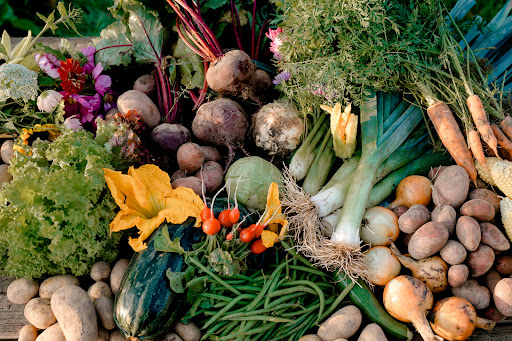
Akkerwikke in Maastricht is a certified organic pick-your-own farm where visitors harvest their own vegetables, herbs, strawberries and cut flowers. The farm grows over 60 types of vegetables, 20 herbs and seasonal strawberries, all available for picking from May to December. From June to October, a separate flower field supplies around 20 weeks of fresh cut flowers for weekly bouquets.
The farm operates on a subscription model. Visitors sign up for a full season—either a vegetable harvest share, a flower share, or both—and collect their produce weekly. Vegetable shares are priced per person per week (€5, €6 or €8 depending on the size) and cover a household’s needs for the season. Flower shares cost €9 per week for a self-picked bouquet. Trial subscriptions for one month are also available.
The farm is open daily from 09.00 to 19.00 throughout the season. It spans three hectares and is run on principles of community-supported agriculture, with members sharing in both the harvest and the risks of farming. The soil is managed through crop rotation, green manure and rest crops. All produce is SKAL-certified organic.
Akkerwikke is located on the edge of Maastricht. There is no farm shop; visitors take home only what they pick. The farm encourages community involvement, with occasional volunteer days for weeding and other tasks.
What visitors say
Visitors come to pick their own organic vegetables straight from the soil, often describing the experience as deeply rewarding. The produce is fresh, flavourful, and far more vibrant than supermarket alternatives—many say it changes how they cook and eat. Children enjoy harvesting too, and families appreciate the chance to spend time outdoors together.
The garden itself is quiet and well-kept, with a sense of shared respect among visitors. Most find the prices reasonable, especially when crops are in season. A few mention that signs and maps could be clearer, particularly for non-Dutch speakers. The farmer and other members are helpful, offering tips on what to pick and how to harvest. On busy days, some vegetables may run low, but the variety is usually good. It’s a place people return to, not just for the food, but for the connection to the land and the community.