
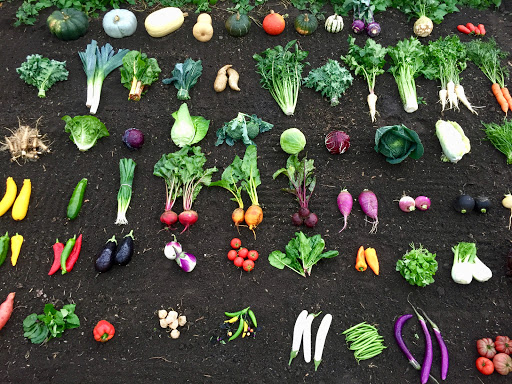
At De Horsterhof in Duiven you pick your own organic vegetables, fruit, herbs and flowers from May to October. The farm grows over 80 types of vegetables, including tomatoes, courgettes, aubergines, beans, spinach, broccoli, fennel, pumpkins and sweetcorn, as well as seasonal herbs and flowers. You can also harvest olives, pears and mangoes when they are in season. The farm does not use pesticides or chemical fertilisers.
You pay a fixed price for a season-long subscription, which allows you to visit as often as you like between Monday and Saturday, 08.30 to 19.00. The subscription costs €360 for adults and €110 for children aged 5 to 13; children under 5 go free. You bring your own scissors, knife and basket or bag. The farm provides guidance on what is ready to pick and how to harvest it. The subscription is not transferable, and you must continue to pay even if you do not visit.
De Horsterhof also sells pre-packed organic vegetable boxes, fruit boxes and eggs through a subscription service. Boxes are delivered weekly to collection points in Duiven, Arnhem and surrounding villages, or you can collect them from the farm. The farm shop is open Wednesday 13.00 to 17.00, Friday and Saturday 10.00 to 17.00, selling seasonal vegetables, fruit, dairy, bread and dry goods, all organic and mostly local. The farm also offers workshops, such as plant-dyeing and cyanotype printing, and occasional meat boxes from its own livestock.
The farm is run by Eline and Matthias, who took over in 2012. It is certified organic and works on regenerative principles, rotating crops to protect the soil. The land is owned by Stichting Horsterhof, which leases it to the farm to keep it in organic production. Parking is wheelchair-accessible.
What visitors say
Visitors come for the fresh, organic produce—especially the weekly vegetable and fruit boxes, which many describe as a highlight. The farm grows a wide variety of seasonal crops, from familiar staples to lesser-known greens like winter purslane and forgotten vegetables, often with a note on how to prepare them. The quality is consistently praised: tomatoes taste sweeter, carrots crunchier, and everything lasts longer than supermarket organic. Picking your own is possible in summer, though some find the setup more about convenience than a full “pick-your-own” experience.
The boxes are a fixed price, and while a few call them slightly pricier than organic supermarkets, most feel the freshness and variety justify the cost. You order online, then collect from a nearby pickup point or the farm shop, which also sells bread, eggs, and meat. The staff are friendly and knowledgeable, and the farm’s commitment to biodiversity and sustainable farming comes through in the care put into the land and products.
Families appreciate the educational aspect—kids learn where food comes from, even if they grumble about the “dirty” vegetables. A few mention occasional surprises in their boxes (like an abundance of fennel) that push them to try new recipes. The only consistent complaint is that some weeks the selection can feel repetitive, though most see this as part of eating seasonally.